Introduction
Short Term Orthodontics (STO) is revolutionizing dental alignment with a faster alternative to traditional methods. This modern technique straightens teeth in a significantly shorter period, making it an attractive option for many patients.
What is Short Term Orthodontics?
STO focuses on aligning the front teeth, which are most visible when smiling. Unlike traditional orthodontics, which can take two to three years, STO aims to achieve results within six months to a year. This method is particularly appealing for adults who seek cosmetic improvements without the lengthy commitment of conventional braces.

How is Short Term Orthodontics Done?
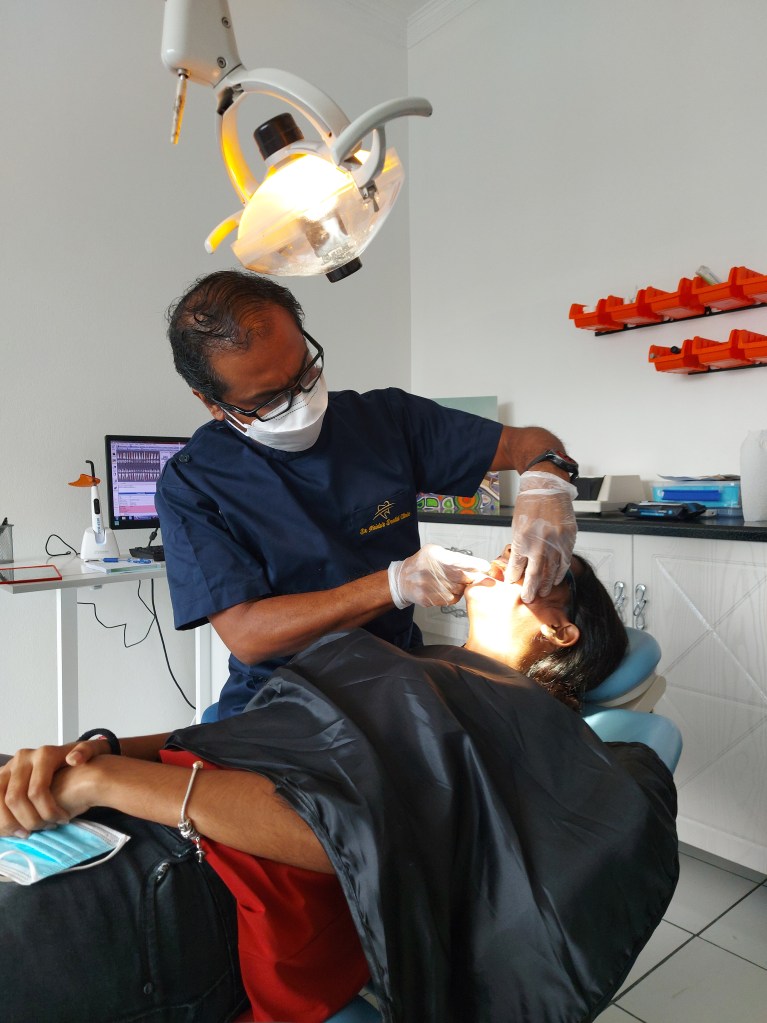
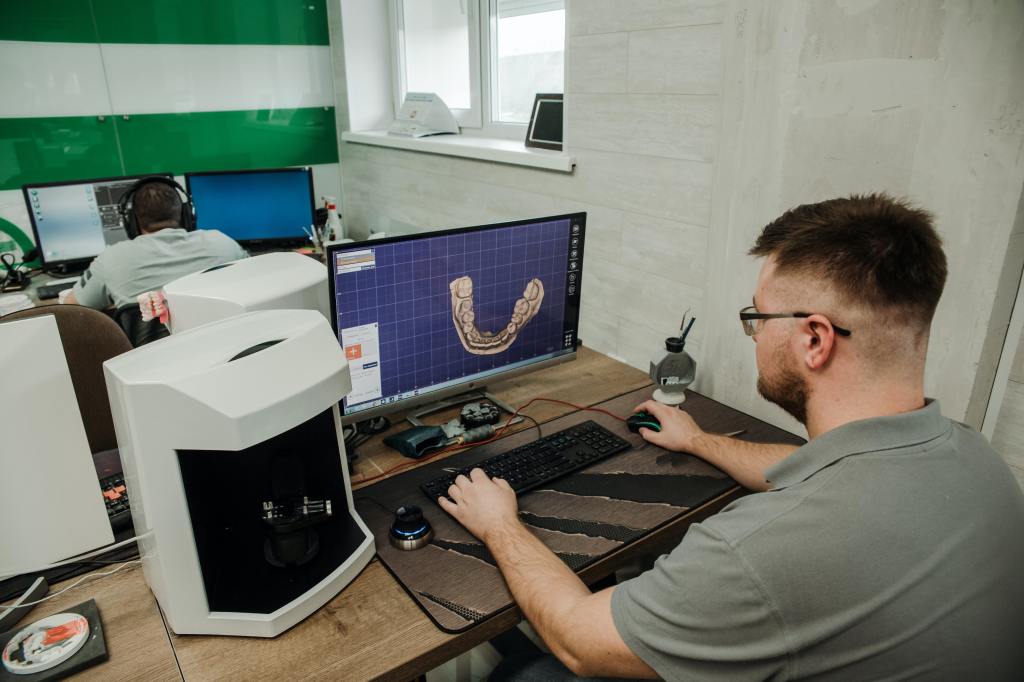
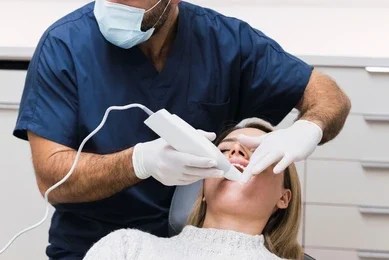
The process of STO typically involves the use of clear aligners or fixed braces. It begins with an initial consultation where the dentist evaluates the patient’s dental condition and discusses their goals. Digital scans and X-rays are then taken to create a customized treatment plan. Depending on the chosen method, braces are applied, or aligners are provided. Patients visit the dentist regularly for adjustments and progress monitoring. Once the desired alignment is achieved, retainers are used to maintain the new position of the teeth.

Advantages of Short Term Orthodontics
One of the primary advantages of STO is the speed of treatment, which is usually completed within six months to a year. The aesthetic appeal of clear aligners and tooth-colored braces is another significant benefit, as they are less noticeable than traditional metal braces. Additionally, modern materials and techniques often result in less discomfort for patients. Generally, STO can be more affordable than traditional orthodontics due to the shorter treatment duration.
- Fast Treatment
- Aesthetics with Clear aligners
- Comfort
- STO can be more affordable
Disadvantages of Short Term Orthodontics
- Limited Scope
- Maintenance
- Not Suitable for All
However, STO has its limitations. It primarily focuses on cosmetic alignment of the front teeth and may not address more complex orthodontic issues. Patients must adhere strictly to the treatment plan, including wearing retainers post-treatment to prevent relapse. Moreover, patients with severe malocclusion or significant bite issues may not be ideal candidates for STO.
Benefits and Dangers in General Dentist Hands
When performed by general dentists, STO offers several benefits. It becomes more accessible to patients who may not have easy access to an orthodontist. Patients can also receive comprehensive dental care, including STO, from their regular dentist. However, there are dangers to consider. General dentists may not have the same level of training in orthodontics as specialists, potentially leading to suboptimal results. Mismanagement of treatment can result in issues such as improper alignment, tooth damage, or gum problems.

Legal Implications
There are several legal considerations when general dentists perform STO. Dentists must ensure that they are operating within their legal scope of practice, as performing complex orthodontic procedures without proper training can lead to legal repercussions. It is crucial to obtain informed consent from patients, clearly explaining the potential risks and limitations of STO. Maintaining thorough documentation of the treatment plan, patient communications, and progress is essential to protect against legal claims.
Focus on Clear Aligners
Clear aligners are a popular choice for STO due to their aesthetic appeal and convenience. However, they come with specific challenges and risks. Patient compliance is critical, as clear aligners require patients to wear them for at least 22 hours a day. Non-compliance can lead to ineffective treatment. Certain tooth movements, such as extrusion and rotation, may be challenging to achieve with clear aligners alone. Additionally, aligners must be kept clean to avoid infections and discoloration.
Computer Simulation vs. Real Case Scenarios
While computer simulations are used to plan STO treatments, real-life outcomes can differ due to various factors. Each patient’s biological response to treatment can vary, affecting the accuracy of simulations. Compliance with wearing aligners and following dental hygiene practices can impact the final results. Unforeseen complications, such as tooth movement resistance or unexpected dental problems, can also arise during treatment.
Conclusion
Short Term Orthodontics offers a viable solution for those seeking quick and effective cosmetic dental improvements. While it has numerous advantages, it is essential to consider the limitations and potential risks, especially when performed by general dentists. Patients should thoroughly discuss their options with their dental care provider to ensure the best possible outcome.
 Dr Naidu's Dental & Medical Clinic- Nadi , Fiji