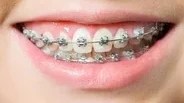
YES ! We do Braces !!
Its what we are Good at !
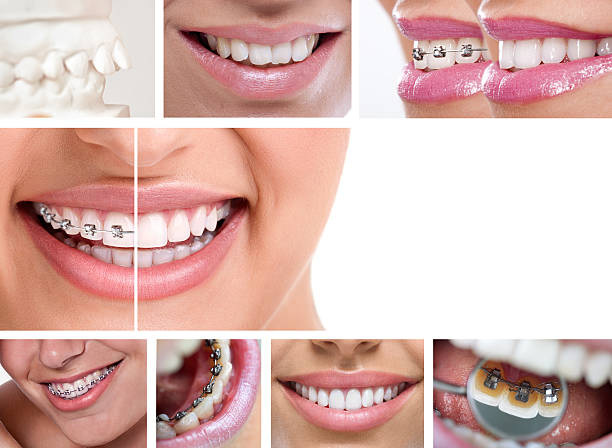
Braces are special dental devices designed to correct dental misalignments, creating a straighter and more harmonious smile. They are used to address various orthodontic issues, including overcrowding, gaps, crooked teeth, and bite irregularities. Braces typically consist of brackets, archwires, and elastics, working together to apply gentle pressure that gradually guides the teeth into the desired position.
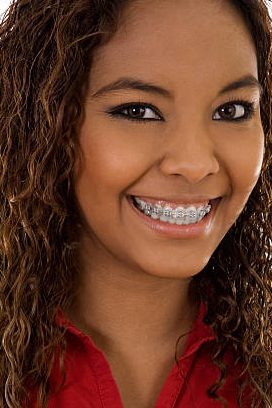
Fixed Braces: Tried, Tested, and Trusted
Fixed braces, also known as traditional braces, are the most common and time-tested orthodontic treatment. They feature metal or ceramic brackets that are affixed to the teeth and connected by an archwire. Adjustments are made periodically by the orthodontist to ensure optimal progress. With the option to add colorful elastics, fixed braces can become a fun and expressive part of your orthodontic journey. Their versatility makes them suitable for treating various dental complexities.
Aligners: Invisible, Comfortable, and Convenient

An alternative to fixed braces, aligners offer a discreet orthodontic solution. These custom-made, transparent trays fit snugly over the teeth, gradually shifting them into alignment. Aligners are removable, providing flexibility for eating, brushing, and flossing. Although aligners are excellent for mild to moderate dental misalignments, complex cases may require the added control of fixed braces.
Retainers: Maintain Your Beautiful Smile

After completing your orthodontic treatment, retainers become vital in preserving the achieved results. Retainers help prevent teeth from shifting back to their original positions. Removable retainers, similar to aligners, can be easily taken out for eating and cleaning. Alternatively, fixed retainers consist of a discreet wire bonded to the back of the front teeth, offering long-term maintenance without interfering with your daily routine.
Advantages of Braces:
- Aesthetics: Achieve the smile you’ve always dreamed of with properly aligned teeth.
- Oral Health: Straight teeth are easier to clean, reducing the risk of cavities, gum disease, and other oral issues.
- Improved Functionality: Well-aligned teeth contribute to better chewing, speaking, and overall oral function.
- Enhanced Confidence: A beautiful smile can boost self-esteem and confidence in social and professional settings.
The Common FAQs :
You won’t feel pain during the initial placement. However, expect some soreness and pressure for 3–5 days after your appointment and after each adjustment. Over-the-counter pain relief and orthodontic wax are highly recommended for managing discomfort.
Don’t panic—this is a sign the treatment is working! To move a tooth, the braces must “loosen” the periodontal ligament. This slight mobility is normal and temporary; your teeth will stabilize once they reach their new positions.
Keeping your teeth clean is more crucial now than ever.
Brush after every meal: Use a soft-bristle toothbrush and fluoride toothpaste.
Focus on hardware: Pay extra attention to cleaning around the brackets and wires where plaque builds up.
Use specialized tools: Consider an interdental brush or a water flosser to remove food particles from hard-to-reach areas that standard brushes might miss.
Certain foods can bend wires or pop brackets loose, which can delay your progress.
Avoid: Hard, sticky, or chewy foods (e.g., popcorn, chewing gum, hard candies, and nuts).
Modify: Do not bite directly into whole fruits or raw vegetables. Instead, cut them into smaller, bite-sized pieces to make them safer to chew.
Regular check-ups are essential for us to monitor your progress and make the necessary adjustments to your treatment plan. To give our patients maximum flexibility, we would like to kindly inform you that our check-up and review sessions are held strictly on a “walk-in” and “wait in line” or “first-in, first-served” basis. You will notice that you were not given a specific time to attend your check-up dates; we provide this flexibility so you can visit us when it is most convenient for you on the scheduled day. Rather than a fixed appointment time, you are simply advised on how many days from now we would like to see you for your next progress review.
Your braces are sturdy, but they aren’t indestructible. You should avoid:
Nail-biting
Chewing on pens or pencils
Biting on hard objects
Note: These habits can damage your hardware and significantly prolong your total treatment time.
If a bracket becomes loose or a wire is poking you, use your wax for comfort and call the office immediately. Even if it doesn’t hurt, a broken bracket means that specific tooth has stopped moving.
The total cost is based by the complexity of your case and the duration of the treatment, we provide exact quotes only after a physical examination. This ensures you are not overpaying for simple cases or underestimating the care required for complex ones.
Consistency is the key to a perfect result. You will typically need to visit us every 4 to 8 weeks for adjustments and progress monitoring. These regular evaluations allow us to ensure your teeth are moving precisely as planned and to make real-time corrections to your treatment trajectory.
The average treatment duration is 18–24 months, depending on complexity. We generally begin treatment for patients aged 11 and above, and we highly encourage adults to seek treatment as well—it is never too late to improve your smile!
Every smile is unique. To provide an accurate quote and timeline, we assess the complexity of your alignment, any hidden issues (like impacted teeth or jaw concerns), and your preferred treatment type (metal, ceramic, or clear aligners). A personal consultation is required to give you an exact fee.
Retainers are essential to maintain your new smile and prevent teeth from shifting back. We will discuss the best type for you (fixed or removable), as well as any associated fees for long-term maintenance.
- Travel Responsibility: All travel, accommodation, and transport costs for regular visits are the patient’s sole responsibility.
- Consistency Matters: Long gaps between appointments can stall progress, cause complications, and significantly extend your treatment time.
- Remote Treatment Options: For those living abroad, Clear Aligners are highly recommended. These allow for fewer in-person visits and digital progress monitoring, making them the most practical choice for long-distance care.
- Emergency Care: If hardware breaks while you are away, you must seek local emergency repair at your own expense to prevent injury or relapse.
If you wore a removable plate (retainer) and saw no improvement despite regular “tightening,” it is likely because removable appliances have physical limits. They are primarily designed to hold teeth in same place or tip them slightly, not to perform the complex, 3 D movements required for full alignment.
What can be done now?
Comprehensive Assessment: We will evaluate why the previous treatment failed —often due to jaw discrepancies, tooth crowding, or the limitations of the appliance used.
Fixed Braces: provide the constant, 3D control needed to move the roots of the teeth, which a removable plate cannot achieve.
Clear Aligners: Modern aligners can often succeed where old-style plates failed by using full-surface tooth attachments to force movement.
A New Strategy: Unlike a simple “tightening” , we will create a data-driven plan to address the root cause of the issue for a permanent result.
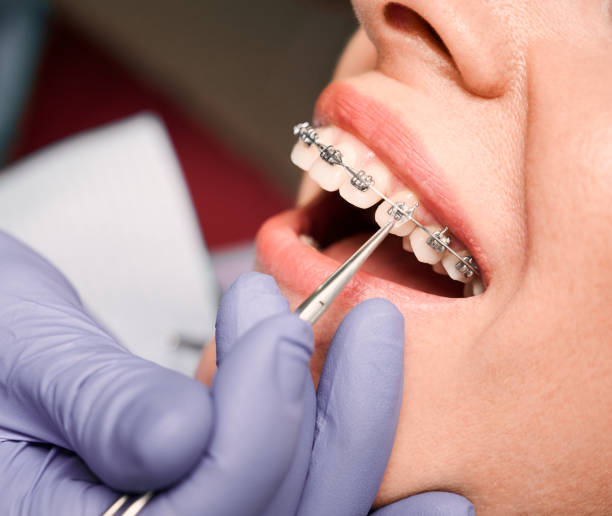
Remember, each case is unique, and we will provide you with specific instructions and advice tailored to your needs. Follow their guidance closely to ensure the best outcome for your orthodontic treatment.
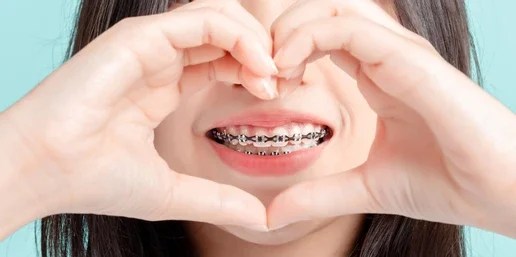
Braces: Achieve Your Perfect Smile
 Dr Naidu's Dental & Medical Clinic- Nadi , Fiji