What are Dental Implants?
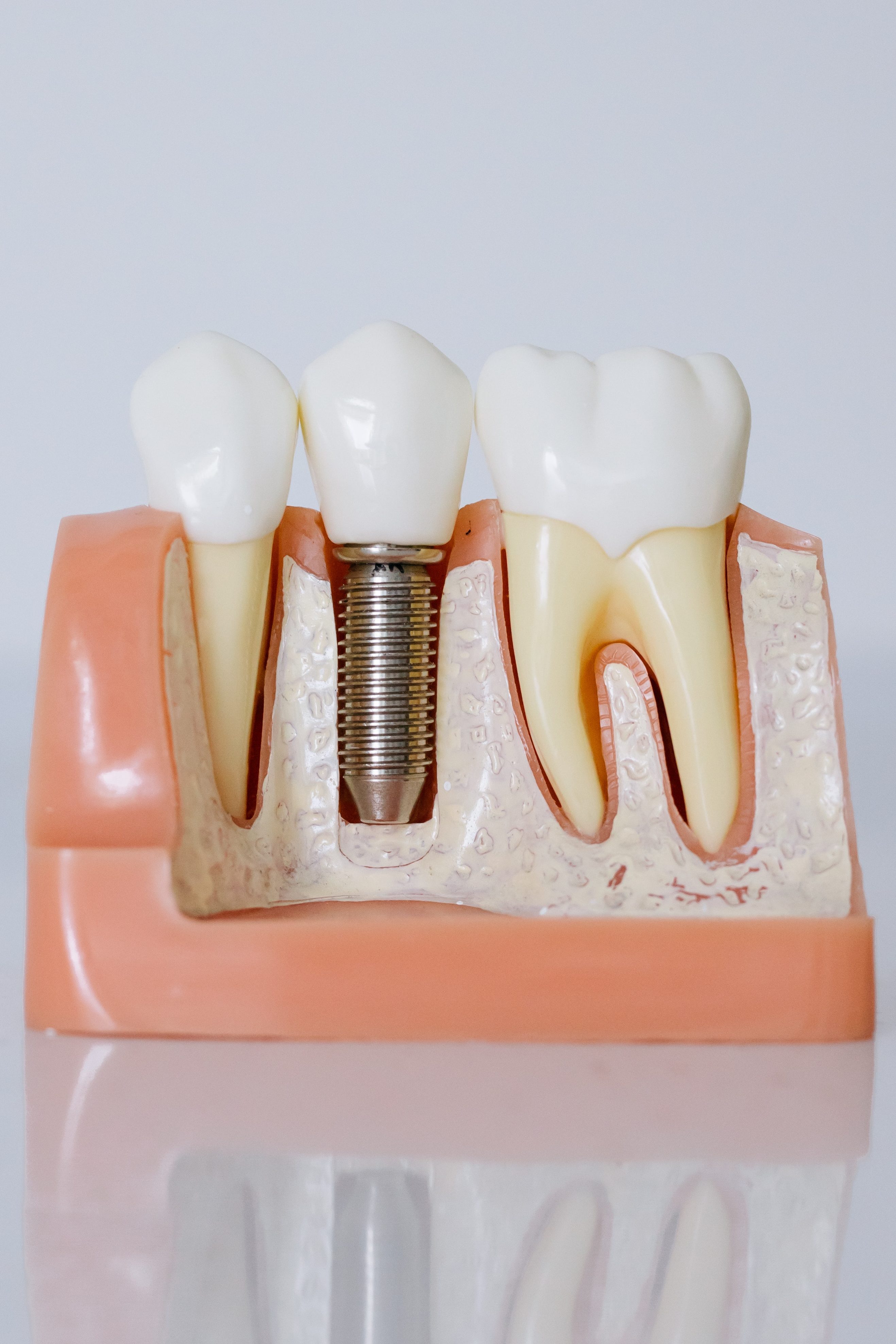
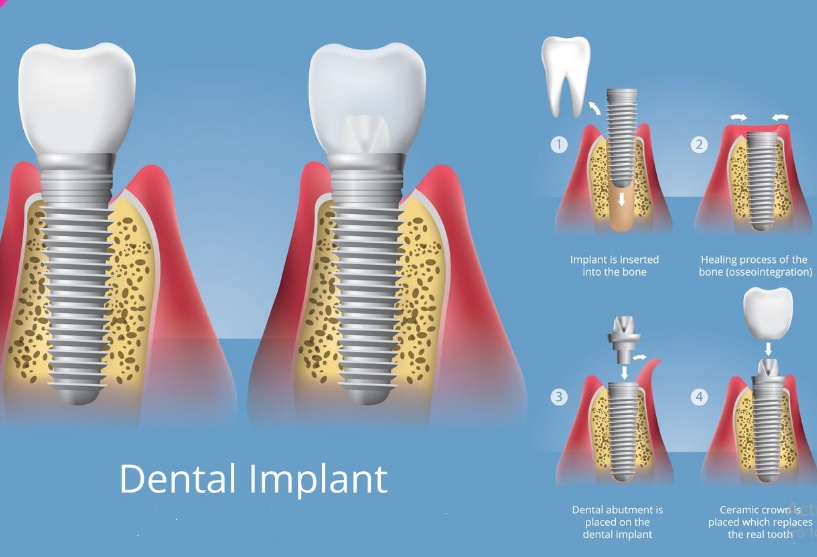
Dental implants are artificial tooth roots made of titanium that are surgically placed into the jawbone. They serve as a sturdy foundation for replacement teeth, such as crowns, bridges, or dentures. Dental implants are designed to look, feel, and function like natural teeth, providing a permanent solution for missing teeth.
Advantages of Dental Implants
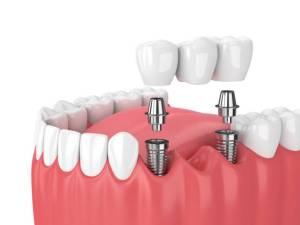
- Improved Aesthetics: Dental implants improve your smile and look by matching your natural teeth.
- Enhanced Functionality: Unlike dentures, dental implants allow for better chewing and biting strength, enabling you to enjoy a wider range of foods.
- Durability and Longevity: With proper care and maintenance, dental implants can last a lifetime, avoiding the need for frequent replacements.
- Preservation of Jawbone: Dental implants stimulate the jawbone, preventing bone loss and preserving the facial structure.
- Convenience and Comfort: Dental implants eliminate the hassle and discomfort of removable dentures, allowing for a more natural and comfortable experience.
Risks and Precautions
While dental implants are a safe and successful treatment, it’s important to consider potential risks and take necessary precautions:
- Surgical Risks: As with any surgery, there is a minimal risk of infection, bleeding, or damage to surrounding structures. Following proper surgical protocols and maintaining good oral hygiene can help minimize these risks.
- Implant Failure: In rare cases, dental implants may not fuse properly with the jawbone, leading to implant failure. Factors such as smoking, poor oral hygiene, or certain medical conditions can increase the risk. Regular dental visits and proper oral care can reduce the likelihood of implant failure.
- Bone Insufficiency: In some cases, the jawbone may not have enough density or volume to support dental implants. Bone grafting procedures may be necessary to augment the bone strength and ensure successful implant placement.
Procedure and Time Frame
The dental implant procedure typically consists of the following steps and visits:

- Initial consultation and examination: The dentist evaluates the patient’s oral health and determines if they are a suitable candidate for dental implants.
- Tooth extraction (if necessary): If there is a damaged or decayed tooth in the area where the implant will be placed, it may need to be extracted before the implant procedure.
- Implant placement: A titanium implant, resembling a screw, is surgically placed into the jawbone. This acts as an artificial tooth root.
- Healing cap placement: After the implant is placed and after healing has occured , after a few weeks to few months , a healing cap is attached to the implant. This cap helps guide the gum tissue to heal properly around the implant site.
- Osseointegration: Over a period of several months after the haling cap has been placed , the jawbone starts to heal and fuse with the implant, providing a stable foundation for the replacement tooth.
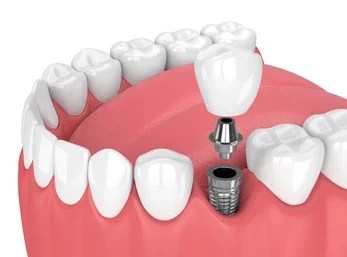
- Abutment placement: Once the implant has integrated with the jawbone, the healing cap is removed, and an abutment (connector) is placed on top of the implant. This will serve as an attachment point for the replacement tooth.
- Crown placement: A custom-made crown, designed to match the color and shape of the natural teeth, is attached to the abutment, completing the dental implant.

The time frame for a dental implant procedure can vary depending on individual factors, but it typically from 3 to 6 months. In rare circumstances it can take up to 9 months for the implant to fuse with the jawbone before the final replacement tooth can be fabricated.
Dental Implants: Restoring Your Smile with Confidence
 Dr Naidu's Dental & Medical Clinic- Nadi , Fiji