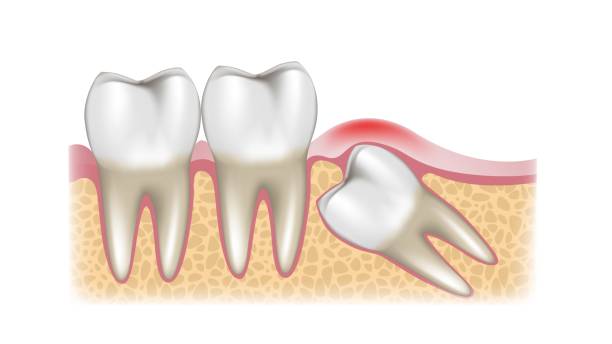
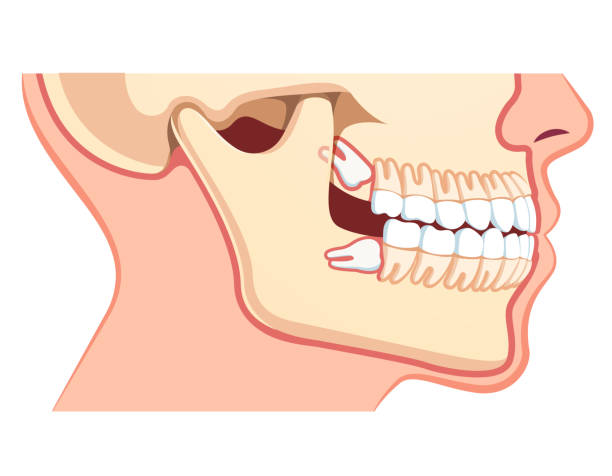
The wisdom teeth, also known as third molars, are the last teeth to erupt in the back corners of the mouth. While some people’s wisdom teeth grow in without any issues, many individuals experience complications that necessitate their removal.
What Is Wisdom Molar Extraction?
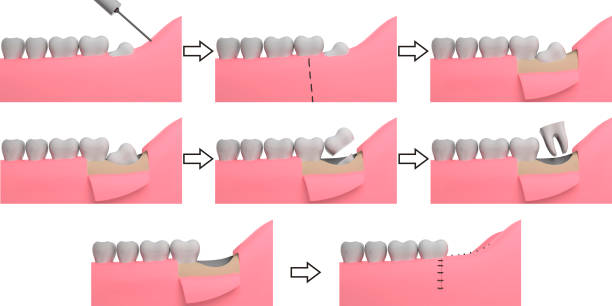
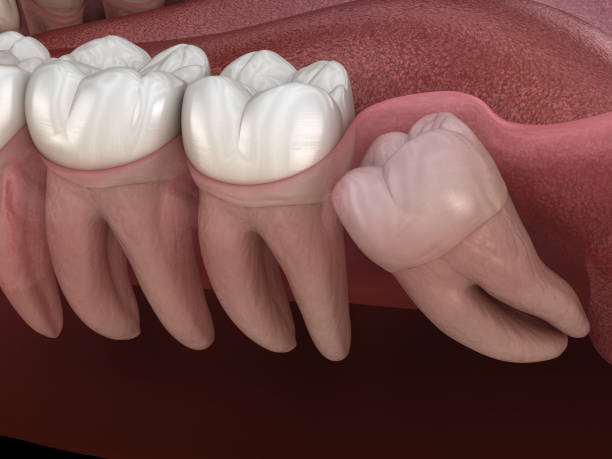
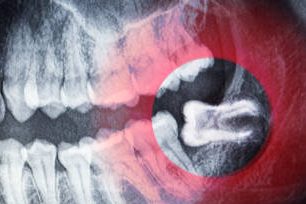
Wisdom molar extraction is a dental procedure performed to remove one or more impacted or problematic wisdom teeth. Impacted wisdom teeth can cause various dental issues, including infections, pain, misalignment, and damage to neighbouring teeth.
The Advantages of Wisdom Molar Extraction
- Prevent Dental Problems: Removing problematic wisdom teeth helps prevent a range of oral health issues, such as overcrowding, decay, and gum disease.
- Relieve Pain and Discomfort: Impacted wisdom teeth can cause significant pain and discomfort. Extracting them provides relief and improves overall oral well-being.
- Avoid Dental Shifting: Wisdom teeth may push adjacent teeth out of alignment, leading to bite problems. Extraction prevents dental shifting and maintains proper tooth alignment.
- Prevent Infections: Partially erupted wisdom teeth can be challenging to clean properly, increasing the risk of infections. Removing them minimizes the chance of oral infections.
Risks Associated with Wisdom Molar Extraction
While wisdom molar extraction is a common and safe dental procedure, it is essential to be aware of potential risks:
- Postoperative Pain and Swelling: After the extraction, it is normal to experience some pain, swelling, and bruising in the treated area. These symptoms usually subside within a few days.
- Dry Socket: In rare cases, a blood clot may dissolve or dislodge prematurely, causing dry socket. This condition may require additional treatment to promote healing and alleviate discomfort.
- Nerve Damage: The extraction of wisdom teeth located near nerves carries a slight risk of temporary or permanent nerve damage. However, this occurrence is uncommon and often resolves on its own.
 Dr Naidu's Dental & Medical Clinic- Nadi , Fiji